Power Purchase Agreements (PPA) throughout Southern California
Many homeowners throughout Southern California are interested in solar energy but hesitate because they believe installing solar requires purchasing expensive equipment or taking on long-term loans. In reality, there are several ways to access solar energy without buying the system outright. One of the most widely used options is a Power Purchase Agreement, commonly referred to as a PPA.
So Cal Solar helps homeowners understand how Power Purchase Agreements work and how they compare to other solar financing options. Rather than focusing only on system installation, the process begins with education so homeowners clearly understand how PPAs operate, how electricity pricing works, and what to expect over time.
A Power Purchase Agreement allows homeowners to benefit from solar energy without purchasing or maintaining the solar equipment themselves. Instead, the homeowner simply pays for the electricity the system produces at a lower, predictable rate.
Understanding What a Solar Power Purchase Agreement Is
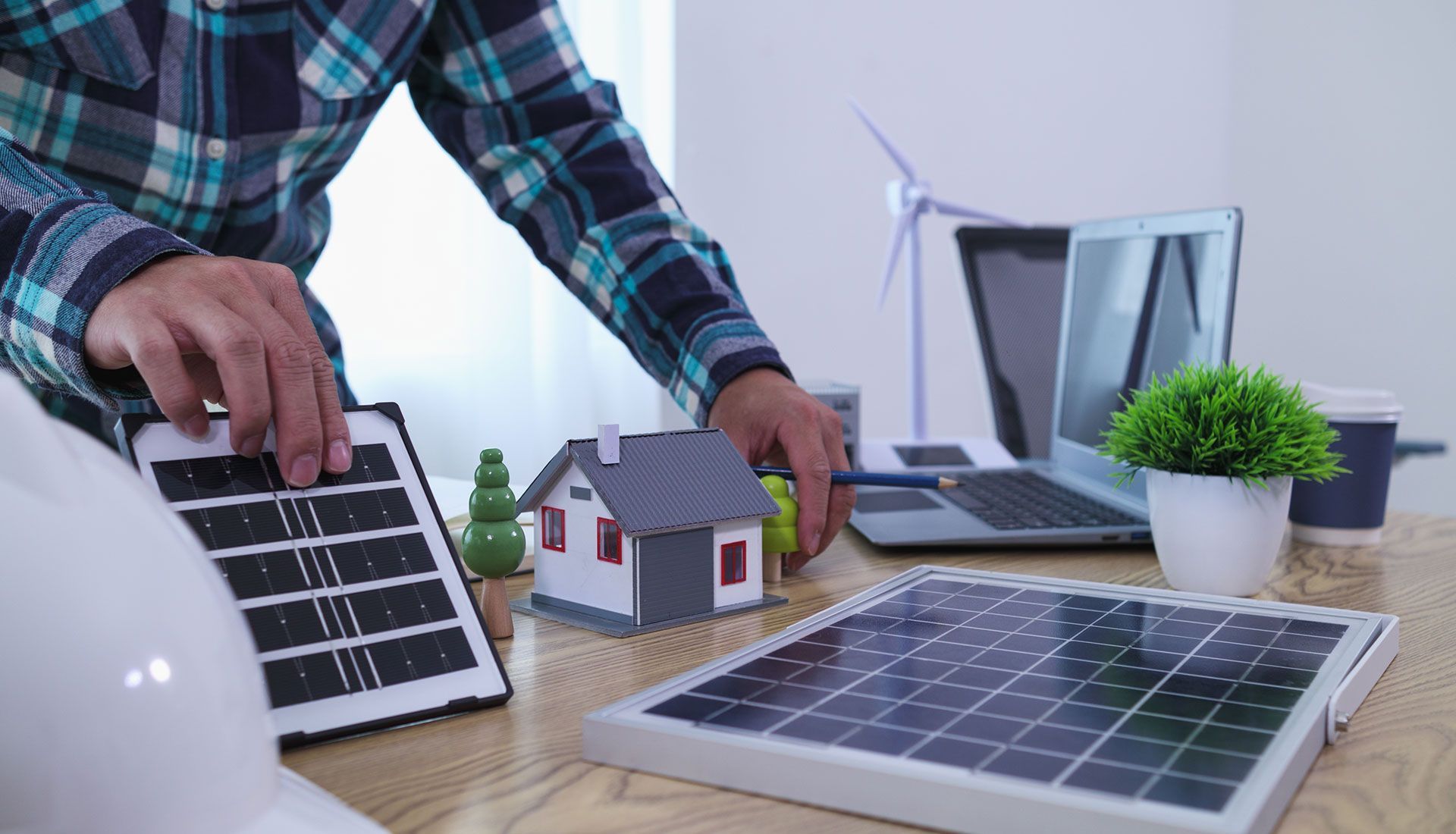
A Power Purchase Agreement is a financial structure in which a third-party solar provider installs and owns the solar equipment on a homeowner’s property. The homeowner does not purchase the panels, batteries, or other system components.
Instead, the homeowner agrees to buy the electricity generated by the system at a predetermined rate. This rate is typically lower than the price charged by the local utility company.
Because the solar provider owns the system, they are responsible for installation, system monitoring, and equipment maintenance. The homeowner benefits from solar-generated electricity without the responsibilities that normally come with owning a solar system.
This arrangement can make solar energy accessible to homeowners who prefer to avoid large upfront investments or financing obligations.
How Solar PPAs Work for Homeowners Throughout Southern California
Power Purchase Agreements follow a structured process that allows homeowners to transition to solar energy without purchasing equipment.
Solar System Installation
A solar provider installs a customized solar system on the homeowner’s roof or property. The equipment is designed to produce electricity based on the household’s energy usage.
Third-Party Ownership
The solar company maintains ownership of the equipment. This means the homeowner does not carry responsibility for system repairs, maintenance, or equipment replacement.
Paying for Solar Electricity
Instead of paying the utility company for all electricity usage, the homeowner pays the solar provider for the power generated by the solar system. This electricity is typically priced lower than the utility’s retail electricity rate.
Utility Grid Interaction
Homes remain connected to the local utility grid. When solar production exceeds household demand, excess energy may be sent back to the grid. When solar production is lower than demand, the home draws electricity from the utility as needed.
Understanding this structure helps homeowners see how a PPA provides access to solar power without the responsibilities associated with equipment ownership.
Why Choose Us
As a preferred partner with major solar companies like Sunrun, EnFin, and GoodLeap, we bring you more options than a single provider ever could. Rather than being tied to one solution, we work with multiple trusted providers to give you flexibility, better pricing, and stronger warranty options. We shop on your behalf to find the best solar solutions tailored to your home—so you can feel confident you’re getting the right system, not just a sales pitch.
Need a Second Opinion?
Not sure if you’re getting the best proposal from another solar company? That’s where we come in. We offer a complimentary, no-pressure consultation to review your current quote and provide honest, transparent feedback based on your home and energy needs. Our goal is simple: to give you the information you need to make a smart, confident decision. In some cases, that may even mean discovering that solar isn’t the right fit for you right now—and that’s okay. We believe in doing what’s best for the homeowner, always.
Why Many Homeowners Consider PPAs
A Power Purchase Agreement is designed to reduce barriers that often prevent homeowners from installing solar systems. Some homeowners are interested in solar but prefer not to take out loans, purchase equipment, or manage system maintenance.
No Upfront Equipment Purchase
Because the solar provider owns the equipment, homeowners do not need to pay the full cost of a solar system before installation.
No Solar Loan Required
PPAs allow homeowners to benefit from solar energy without taking on new debt.
System Maintenance Included
Since the equipment belongs to the solar provider, system monitoring, repairs, and maintenance are typically handled by the provider rather than the homeowner.
Lower Electricity Rates
Electricity produced by the solar system is generally offered at a lower price than the utility company’s retail electricity rate.
These characteristics make Power Purchase Agreements particularly appealing for homeowners who want access to solar energy without making a large financial commitment.
Evaluating Whether a PPA Fits Your Energy Goals
A Power Purchase Agreement can be an effective solar solution for many households, but it is important to understand how the structure fits individual energy goals and homeownership plans.
Current Electricity Costs
Homeowners with high electricity bills often explore solar options to reduce monthly energy expenses. A PPA may offer a lower cost per kilowatt-hour than the current utility rate.
Long-Term Homeownership Plans
Because PPAs typically involve long-term agreements, homeowners often evaluate how long they plan to remain in the home.
Roof Suitability
Solar production depends on roof orientation, shading, and available installation space. These factors influence how much electricity a system can generate.
Utility Rate Trends
Electricity rates in California have historically increased over time. Some homeowners explore solar as a way to stabilize energy costs and reduce dependence on utility pricing.
By reviewing these factors, So Cal Solar helps homeowners throughout Southern California determine whether a Power Purchase Agreement aligns with their energy goals.
Understanding the Role of Solar Education
Solar financing structures can be confusing for homeowners who are new to the industry. Terms like Power Purchase Agreement, solar lease, and system ownership are often used interchangeably in casual conversation, even though they represent different arrangements.
Education is a key part of understanding how PPAs function and what responsibilities belong to the homeowner versus the solar provider. Homeowners who understand these distinctions are better equipped to compare proposals and evaluate their long-term energy costs.
So Cal Solar focuses on explaining how solar programs work before recommending any specific approach. By reviewing electricity usage, property conditions, and available solar programs, homeowners gain a clearer understanding of how a Power Purchase Agreement may fit into their overall energy strategy.
For many homeowners throughout Southern California, a PPA provides a pathway to solar energy that avoids equipment purchases while still offering access to lower-cost electricity generated from the sun.