Solar Savings throughout Southern California
Electricity costs in California have continued to rise over the past several years, leaving many homeowners throughout Southern California searching for ways to better manage their monthly energy expenses. Utility companies periodically increase rates, and homeowners often feel they have little control over how much they pay for electricity. Solar energy has become one option many households explore when looking for more predictable and manageable energy costs.
So Cal Solar focuses on helping homeowners understand how solar savings actually work. Instead of presenting generalized estimates or exaggerated claims, the goal is to evaluate each household’s electricity usage and show how solar could impact long-term energy expenses.
Solar savings vary from home to home because each household uses electricity differently. The size of the home, the number of occupants, lifestyle habits, and seasonal energy consumption all influence how much a homeowner may save by transitioning to solar energy.
Understanding these factors helps homeowners throughout Southern California make informed decisions about whether solar is a practical solution for their energy costs.
How Solar Reduces Electricity Costs
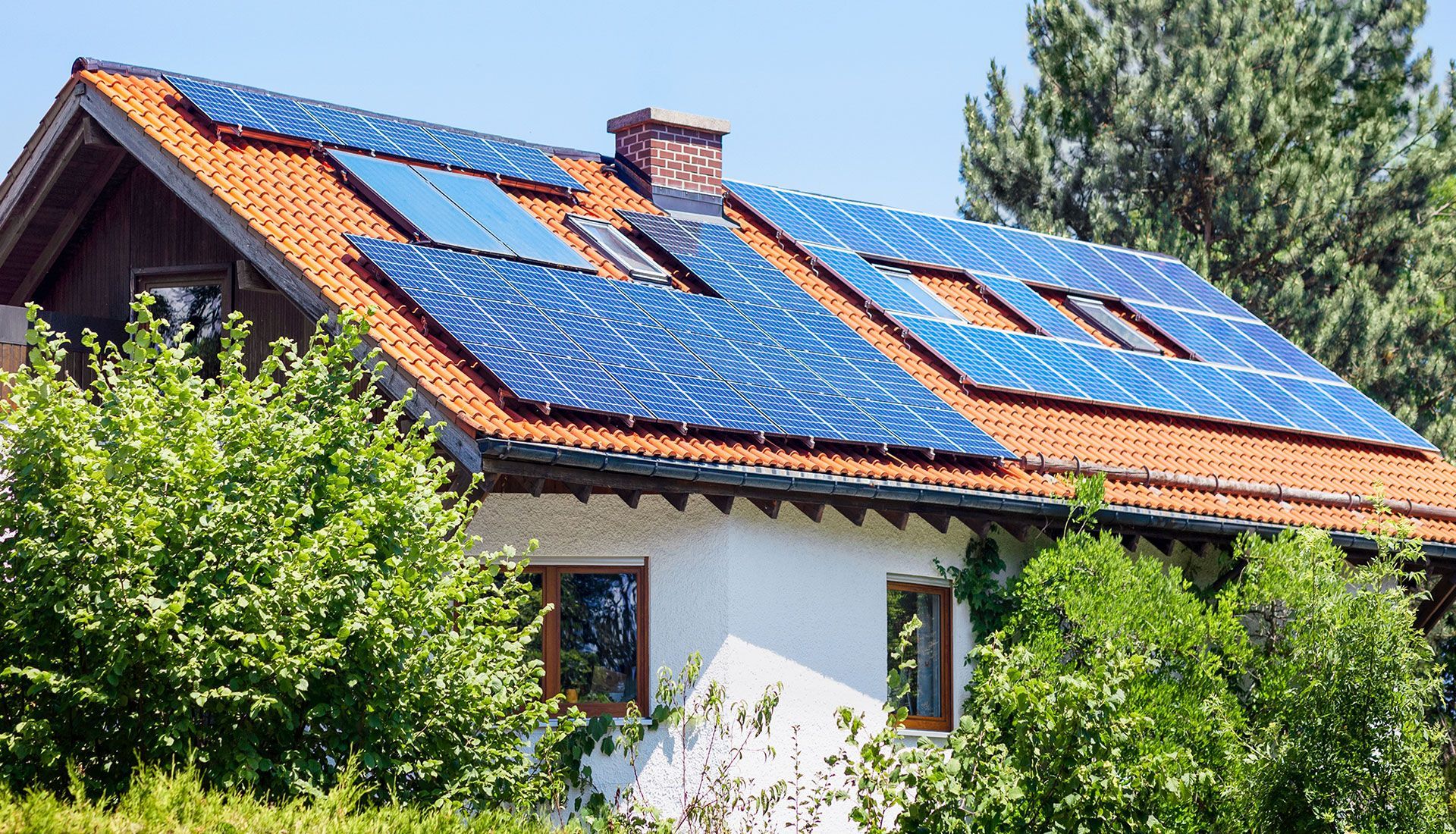
Solar energy works by generating electricity directly from sunlight through panels installed on a home’s roof or property. Once the system begins producing energy, that electricity can power the home instead of relying entirely on the local utility provider.
For many homeowners, this reduces the amount of electricity they must purchase from the grid. When a solar system generates power during daylight hours, that energy supplies the home first before additional electricity is drawn from the utility company.
Over time, this shift in energy production can significantly reduce monthly electricity costs.
Energy Produced on Your Roof
Solar panels convert sunlight into usable electricity. This energy can power appliances, lighting, electronics, and other household systems.
Reduced Dependence on the Utility Grid
When solar panels generate enough electricity to cover a portion of household demand, homeowners purchase less power from the utility company.
Predictable Energy Costs
Solar programs can offer more stable pricing compared to traditional electricity bills, which often fluctuate based on seasonal usage and utility rate increases.
The amount of savings depends largely on how much electricity a household currently consumes and how much energy the solar system can produce.
Understanding How Savings Are Calculated
Solar savings are not a single fixed number that applies to every household. Instead, savings are determined by reviewing several factors related to a home’s energy use and solar production potential.
Current Utility Bills
Reviewing historical electricity bills provides insight into how much power a home consumes each month. This helps determine the appropriate size of a solar system.
Solar Production Potential
The orientation and slope of a roof affect how much sunlight the panels receive throughout the day. Homes with strong sun exposure typically generate more electricity.
Utility Electricity Rates
Solar savings are influenced by the cost of electricity charged by local utility companies. As these rates increase, the value of solar-generated power also rises.
Household Energy Habits
Energy usage patterns vary depending on lifestyle. Homes with electric vehicles, pools, or high air conditioning usage often consume more electricity and may see greater impact from solar generation.
By evaluating these details, So Cal Solar can help homeowners throughout Southern California understand how solar energy might influence their monthly electricity costs over time.
Why Choose Us
As a preferred partner with major solar companies like Sunrun, EnFin, and GoodLeap, we bring you more options than a single provider ever could. Rather than being tied to one solution, we work with multiple trusted providers to give you flexibility, better pricing, and stronger warranty options. We shop on your behalf to find the best solar solutions tailored to your home—so you can feel confident you’re getting the right system, not just a sales pitch.
Need a Second Opinion?
Not sure if you’re getting the best proposal from another solar company? That’s where we come in. We offer a complimentary, no-pressure consultation to review your current quote and provide honest, transparent feedback based on your home and energy needs. Our goal is simple: to give you the information you need to make a smart, confident decision. In some cases, that may even mean discovering that solar isn’t the right fit for you right now—and that’s okay. We believe in doing what’s best for the homeowner, always.
Solar Savings and Long-Term Financial Planning
Many homeowners view solar energy not only as a way to reduce monthly bills but also as a strategy for long-term financial planning. Because electricity rates tend to increase over time, stabilizing energy costs can provide financial predictability for years to come.
Some households choose to redirect the money saved on electricity into other financial goals.
Redirecting Monthly Savings
When electricity expenses decrease, some homeowners use the difference for other household priorities such as home improvements, investments, or education savings.
Planning for Rising Utility Costs
California utility rates have historically increased over time. Solar energy allows homeowners to produce part of their own electricity rather than relying completely on the grid.
Predictable Energy Budgeting
Stable energy pricing can make it easier to manage monthly household expenses compared to fluctuating utility bills.
Solar savings can therefore extend beyond the monthly utility bill by supporting broader financial planning goals for the household.
How Solar Programs Affect Savings
The way a solar system is financed can also influence how savings appear in monthly energy costs. Some homeowners purchase solar systems directly, while others choose programs that allow them to access solar electricity without buying the equipment.
System Ownership
When homeowners purchase their solar system, they generate electricity directly from equipment they own. This structure can reduce long-term energy costs after the system is paid off.
Power Purchase Agreements
Some solar programs allow homeowners to pay for the electricity generated by the solar system rather than purchasing the equipment itself. These programs can offer lower electricity rates without requiring equipment ownership.
Solar and Battery Integration
In some cases, homeowners combine solar systems with battery storage. Stored energy can be used during evenings or outages, providing additional flexibility in how solar power is used.
Each program structure affects how savings appear in a homeowner’s monthly expenses, which is why education plays an important role in understanding solar energy options.
Understanding Realistic Solar Expectations
One of the most important aspects of solar education is understanding what solar can and cannot do. While solar energy can significantly reduce electricity costs for many households, the exact results depend on several variables.
Solar systems are designed based on the energy usage of each home, the available installation space, and local utility policies. These factors influence how much electricity a system produces and how that production offsets utility costs.
So Cal Solar works with homeowners throughout Southern California to review their electricity usage, property characteristics, and long-term energy goals before recommending any solar approach. By focusing on realistic projections and clear explanations, homeowners can better understand how solar savings may fit into their financial planning and energy strategy.
For many households, solar energy represents an opportunity to reduce dependence on utility companies while creating a more predictable approach to managing electricity costs.